

Why Some Chronic Pain Doesn't Resolve
How the Brain’s Protection Mode Can Keep Pain From Healing

About a year ago, I saw a client with a decade’s worth of lower back pain. Let’s call him Steve.
On Steve’s very first session, after his evaluation, I confidently looked him in the eyes and said, “We’re going to get rid of this pain!”
He looked up at me, “HA!” he scoffed.
I looked back at him, confused.
“That’s what they all said,” he told me.
Over the next four months, I was able to produce no results for Steve. Each week, he would religiously come in every Monday, go through all of my exercises and nothing would change.
Not even a little bit.
After each exercise, I would ask him to stand up and tell me if anything felt better.
After I asked, he would stand up, take a few steps, twist his torso, look back at me and go, “It’s still there.”
As the weeks went on, each time he would look back at me, I was starting to notice “a look” in his eyes. The look struck me as “unbelief.”
Each time he would look back at me, I couldn’t help but think that Steve didn’t believe this was going to work.
As he was leaving one evening, I asked him, “Hey,” I started, “Do you actually believe this is going to work?”
He thought for a moment, then looked down, “No.” he said.
“Even if I had the best exercises in the world,” I replied, “Don’t you think it would be hard for them to work if you didn’t believe that they would?”
He nodded in agreement.
Over the final few weeks of his program, I knew I had to address the brain. I had spent the last decade of my life studying how the brain could inhibit the body but I never had the guts to implement such an unconventional strategy. But in Steve’s case, it was all I had left.
On his very last session, I began telling Steve about my suspicion. How I felt there was some sort of brain block to getting the pain relief he was so desperately seeking. Since it was going to be my first time trying it, I offered to take him through it for free over the next few weeks.
Willing to try anything at this point, Steve agreed.
I was realizing that the brain was impossible to ignore. We all accept that the mind-body connection exists, but very few approaches actually do anything with it. That’s when I realized I needed to.
The Missing Piece
After a decade of studying neuroscience, I came to one simple conclusion.
If left to its own devices, the brain will eventually descend into chaos. Fear, doubt, anxiety and constant vigilance will all take over and leave us with a brain that is constantly in a low-hum of fight-or-flight.
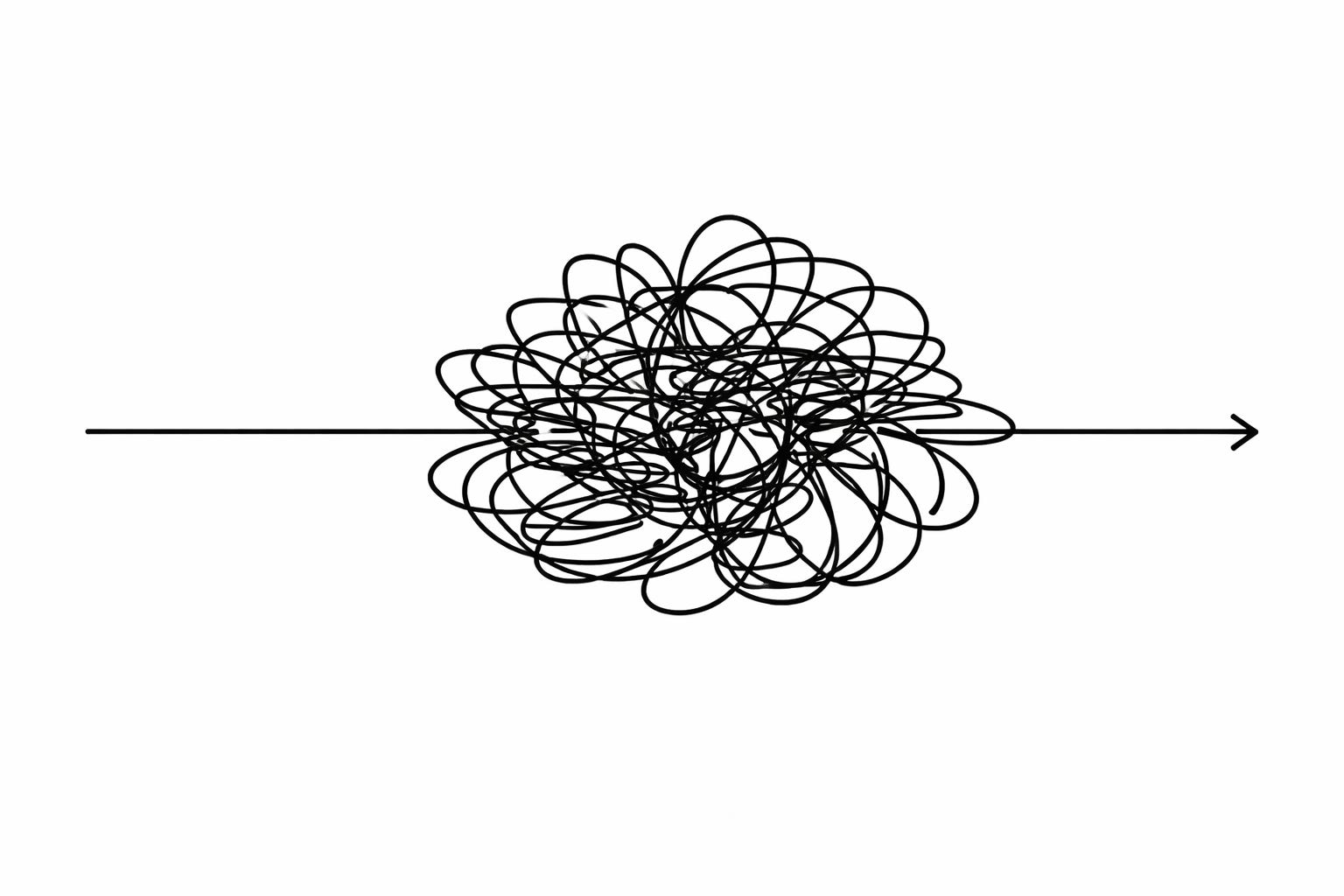
When the brain flips into fight-or-flight, it puts the body into protection mode. Muscles tighten, breathing becomes shallow, and the body stiffens to keep itself safe. The problem is that a body stuck in protection mode can’t move freely—and without free movement, chronic pain has no way out.
Most people assume that if they just try harder—more exercises, more stretching, more effort—the problem will eventually resolve. But a nervous system under constant stress doesn’t respond that way. It responds to clarity. Without a clear sense of direction, every new exercise becomes just another signal the brain has to evaluate for danger. Instead of calming the system, this often keeps it on high alert.
We must deal with the brain first and that means getting everything moving in the right direction.
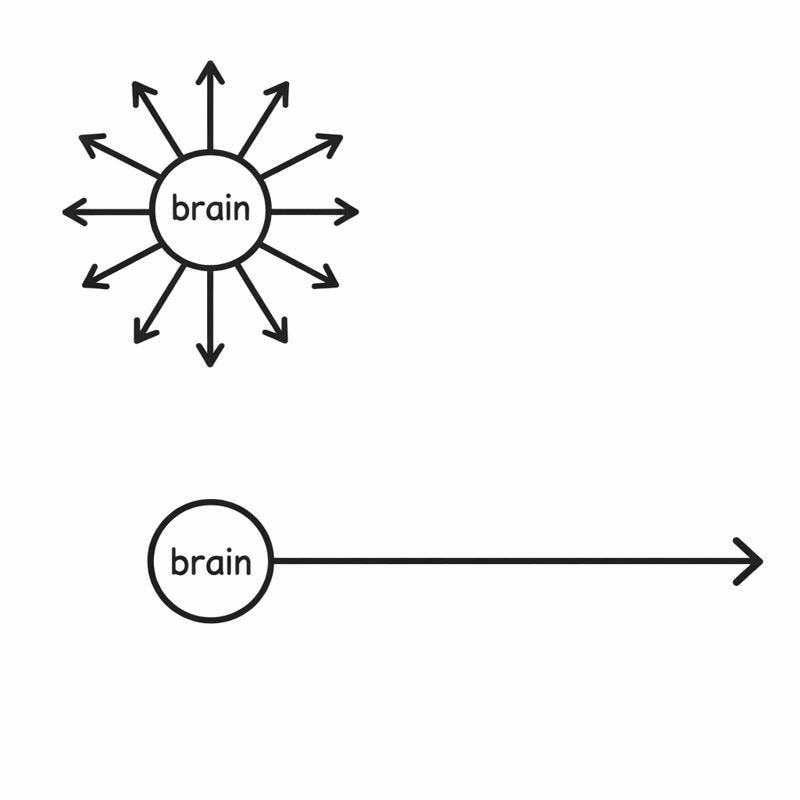
The very first week after installing this system, Steve reported a jaw-dropping 60% drop in his symptoms.
One week after that, he was back to playing basketball and soccer.
For years, my work focused on posture, breathing, strength, and conditioning. Those systems matter deeply—but Steve’s case made the brain impossible to ignore. If the central nervous system is stuck in protection mode, none of the other systems can express themselves fully.
Sincerely,
Saint Bartholomew