

How the Brain Learns to Expect Pain
Why routine, not damage, keeps pain alive

Did you know that the first person to ever get pulled over for speeding was going just 7 miles-per-hour?
Of course you didn’t!
But at the very moment that you read that sentence, a physical neural connection was formed inside of your brain.
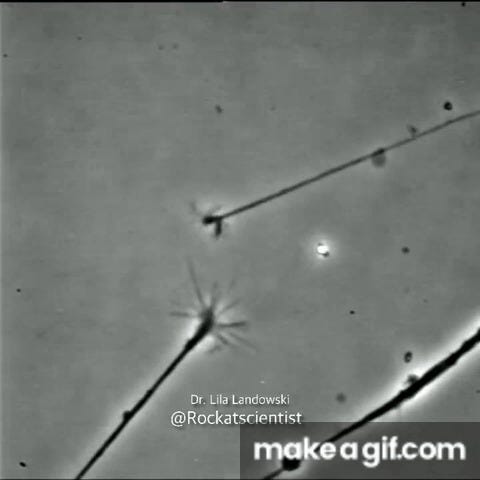
An actual file was placed into your brain’s filing cabinet upon learning this information. If someone were to ask you about it fifteen minutes from now, you’d be able to recall that information.
The networks in your brain are connected like a fishing net.
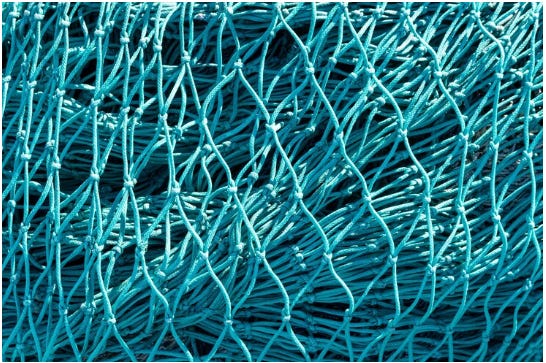
Each individual line represents a piece of information, just like the information you just learned about the first person to ever get pulled over for speeding.
But they don’t connect to random networks. They connect to similar networks. It’s called relational memory.
For example, the first person to ever get pulled over for speeding may have connected to the memory of when YOU got pulled over for speeding. This helps the brain better understand how to respond to the information.
A very important piece of neuroscience is to understand that when one connection fires, all the surrounding connections fire as well.
This is why you can be thinking about the time you got pulled over for speeding and ten seconds later, you’re thinking about your second grade crush.
“How the heck did I start thinking about this?!”
The connections might look like this…
You hear the information about the first person to get pulled over for speeding.
Now you remember when you got pulled over for speeding.
You remember you got pulled over for speeding because you were racing home late for curfew.
You remember that you were driving a Honda.
You remember that your first girlfriend drove a Honda.
Then you remember how you had such a big crush on her before you started dating her.
Then you remember your second grade crush.
All of this happens in the blink of an eye.
This part is massively important to chronic pain, as you will soon find out.
How Pain Becomes Automatic
You should now know that neural networks are created by connecting to similar connections (relational memory). You should also know that when one connection activates, it triggers a sequence of surrounding connections to do the same.
What happens when you wake up in the morning? If you’re like the rest of the world, it’s the same exact thing every day.
You grab your phone and hold it in the same hand…
You check the same apps in the same order…
You get out of bed and put on the same slippers…
You go to the bathroom…
You brew the same coffee…
You drink it from the same mug…
You drive to work the same way…
You listen to the same podcast…
You see the same people at work…
Where you perform the exact same tasks…
You drive home following the same route…
You order takeout from the same restaurant…
You watch the same shows…
Take a shower washing yourself in the same pattern…
You dry yourself off with your towel in the same sequence…
You put on the same pajamas…
You go to bed at the same time.
We are creatures of habit.
We are creatures of habit because the biology of your brain is set up this way.
In the very moment that your alarm kicks off in the morning, that is a signal to your brain that it’s time to trigger your morning routine. The first neural connection fires and all of the others soon follow. It’s on autopilot. You don’t even have to think about it.
This is called allostasis — the brain preparing in advance for what it believes is coming next.
For someone in chronic pain, this could be the entire problem.
Remember, in this newsletter, we described how pain is just a signal. An alarm bell. In my apartment building, every few months our fire alarm goes off, but there’s no fire! Well, the very same thing is happening to you. The pain alarm is going off, but there’s no damage. It’s a signal error.
You see, for many people in chronic pain (not everyone), somewhere in that sequence is the trigger to turn the pain on.
You grab your phone and hold it in the same hand…
You check the same apps in the same order…
You get out of bed and put on the same slippers…
You go to the bathroom…
You brew the same coffee…
You drink it from the same mug…
You drive to work the same way…
YOU START TO FEEL LOWER BACK PAIN
You listen to the same podcast…
You see the same people at work…
Where you perform the exact same tasks…
You drive home following the same route…
You order takeout from the same restaurant…
You watch the same shows…
Take a shower washing yourself in the same pattern…
You dry yourself off with your towel in the same sequence…
You put on the same pajamas…
You go to bed at the same time.
It’s embedded into your neural networks. It’s automatic!
Simply by falling into your usual routines and patterns, your brain fires the same circuits over and over again.
This doesn’t mean pain is imagined. It means the nervous system has learned to expect it.
How to Deactivate a Neural Network
The easiest way to quiet a painful neural network is to simply activate a different one.
If you were to wake up tomorrow and implement a radically different morning routine your brain would have to create an entirely new neural network and in this new network, the pain signal doesn’t exist.
You simply guide the brain down a different pathway and have it activate a different network.
How to Activate a Different Neural Network
The brain uses your senses (sight, smell, hearing, touch, taste) to evaluate the world around you. Each input your brain collects via your senses will trigger a neural network to activate.
For example, when you see those pizza commercials with the hot, gooey cheese, your mouth starts to water. All that is happening here is your vision is collecting the input of a pizza and your brain responds with an action (mouth watering).
To activate and build a new neural network, just give your brain different input.
Want to see how your brain reacts to new input? Don’t have your morning coffee tomorrow.
How We Build Out New Neural Networks at Saint Bartholomew
The cool thing about humans is that we can trigger these networks through thought alone.
When a zebra is grazing on the prairie and sees a lion approaching, it turns on fight-or-flight system. But if the lion goes behind a rock, the Zebra’s brain isn’t advanced enough to realize the lion is behind the rock. It doesn’t see the lion anymore so it let’s it’s guard down.
Humans have the thickest neocortex (outer surface of the brain tasked with higher order thinking and problem solving) on the planet. This allows us to know that the lion is behind the rock and we shouldn’t relax just yet.
A study was done in 2004 that concluded that by just imagining that you were playing the piano, many of the same neural networks that would normally activate if you actually were playing the piano were activated.1
At Saint Bartholomew, we don’t try to “turn pain off.” We help the nervous system learn something new. The process always begins with a clear goal. Not because goals are motivational, but because they give the brain an anchor. A defined aim is the first new connection in a neural network — a reference point the nervous system can begin preparing for instead of defaulting to the past.
From there, we build systems and workflows around that goal. These are simple, repeatable routines that change what your days look like and what your body must anticipate. Movement, breathing, recovery, work, and training are no longer random. They become coordinated signals that reinforce the same message: this is where we’re going. Each repetition strengthens the new network and weakens the old one.
The workout program matters — but it works because it’s supported by the system around it. When the nervous system sees consistency, direction, and forward movement, it stops preparing for threat and starts preparing for performance. Over time, pain loses its place in the prediction. Not because it was suppressed — but because it’s no longer required.
This is why we don’t chase symptoms. We change what the nervous system prepares for.
Sincerely,
Saint Bartholomew
Meister, I. G., Krings, T., Foltys, H., Boroojerdi, B., Müller, M., Töpper, R., & Thron, A. (2004). Playing piano in the mind—An fMRI study on music imagery and performance in pianists. Cognitive Brain Research, 19(3), 219–228. https://doi.org/10.1016/j.cogbrainres.2003.11.005